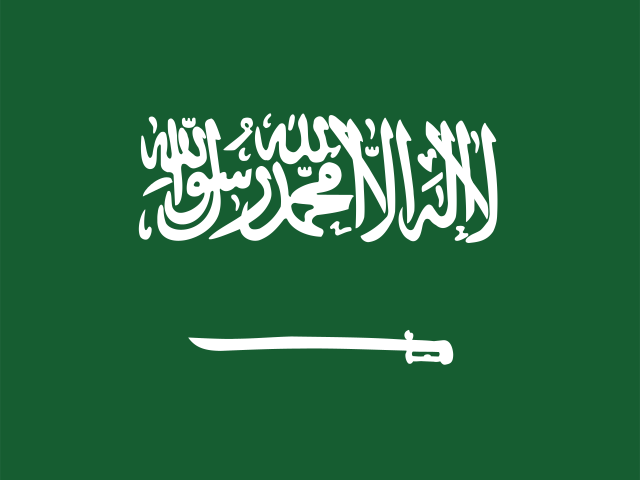
Some descriptions for this country are still Russian only: 77% translated. Numbers, prices and timelines are complete.
Saudi Arabia: cities, climate & safety
updated 18.11.2026
Cities
Riyadh
tech hubThe capital and largest city, a centre of government, finance and a growing technology sector (Vision 2030, the headquarters of stc and Saudi Aramco).
Extreme summer heat (daytime maxima regularly above +43°C, an all-time record of +48.8°C); dust storms reduce visibility. Earthquake and flood risk is low (the city is far from the coast).
Jeddah
The second-largest city, the main port and commercial centre on the Red Sea; the historic Al-Balad quarter is a UNESCO World Heritage site. The KAUST research university is nearby.
Periodic flash floods: the flood of 25 November 2009 took 122 lives because of undeveloped storm drainage (it covered ~30% of the city); further major floods came in 2011 and 2022. Extreme summer heat with high humidity on the coast.
Dammam
The capital of the Eastern Province and the centre of the country's oil and gas industry; the conurbation includes neighbouring Dhahran, the headquarters of Saudi Aramco. The population is an estimate for the Dammam-Khobar-Dhahran conurbation.
Extreme summer heat with high humidity on the Persian Gulf coast. Street crime is low.
Mecca
A holy city of Islam and the site of the Hajj and Umrah pilgrimages. Entry is entirely prohibited to non-Muslims — no data on rent or the labour market was found for most foreign specialists.
Non-Muslims have no access to the city, so in practice it is not a place of residence for most foreign specialists. Extreme summer heat; infrastructure and transport are severely overloaded during the hajj.
Medina
The second holiest city of Islam. Unlike Mecca, only the historic sacred centre (the Haram) is closed to non-Muslims; foreign specialists, mostly from South Asia and the GCC countries, live and work in the rest of the city.
Non-Muslims have restricted access to the historic centre of the city. Extreme summer heat. The rental market depends heavily on pilgrimage demand: during the hajj and Ramadan short-term rates rise sharply, so public estimates of long-term rent are less reliable than for Riyadh or Jeddah.
Climate
- Type
- Hot desert (BWh)
- Sunny days
- ~320 a year
A desert climate: a very long and extremely hot summer and a short mild winter. Rainfall is very low, mostly in March and April. Riyadh has ~3,225 hours of sunshine a year (~72% of the possible total, Riyadh New weather station, 1991–2020 normals), so the figure in days is approximate.
Safety
- Situation
- tension
An absolute monarchy, domestically stable, but the country is caught up in regional tension: Houthi attacks from Yemen on Saudi territory (including on Abha airport), and a risk of strikes on infrastructure in Riyadh, Jeddah and Abha. The UK Foreign Office advises against going within 10 km of the Yemeni border and urges caution in the 10–80 km zone from it.
Crime: Street and property crime are low thanks to strict enforcement. IMPORTANT: sharia law applies — zero tolerance for drugs and alcohol, and strict norms of behaviour and dress in public places; this is not reflected in standard crime indices.
Natural hazards
A desert landscape with almost no forest, so wildfire risk is minimal.
Flash floods are a periodic risk, especially in Jeddah: the flood of 25 November 2009 claimed 122 lives (with more than 350 missing) because storm drainage covered only ~30% of the city; further major floods came in 2011 and 2022. The UK Foreign Office notes a nationwide flood risk from November to February.
Direct tropical cyclones practically never occur; the far south-west (Jizan) can occasionally be clipped by the residual cloud of Arabian Sea storms.
The country has no permanent rivers or lakes; fresh water comes mainly from desalinated seawater and underground aquifers.
Jeddah has a recorded maximum of +49.8°C (August); Riyadh's record is +48.8°C. In summer (June–August) daytime highs inland regularly exceed +43°C and the UV index stays at extreme levels. Outdoor work in summer carries a risk of heatstroke.
There are no actively erupting volcanoes. The Harrat Lunayyir volcanic field lies in the west of the country (basalts from the Miocene to the early Quaternary); no current volcanic activity has been recorded.
The Red Sea and the Persian Gulf are relatively shallow, semi-enclosed waters; tsunami risk is low.
The main natural hazard is extreme summer heat nationwide; the second is local flash flooding from sudden downpours, especially in Jeddah. Seismic and volcanic activity is low.
Travel services: Saudi Arabia
Ad · Aviasales, GetRentacar, AiraloCompare flight prices across airlines and travel agencies.
Local rental companies and private owners, no-deposit options.
Digital travel eSIM plans without roaming fees or physical SIM cards.