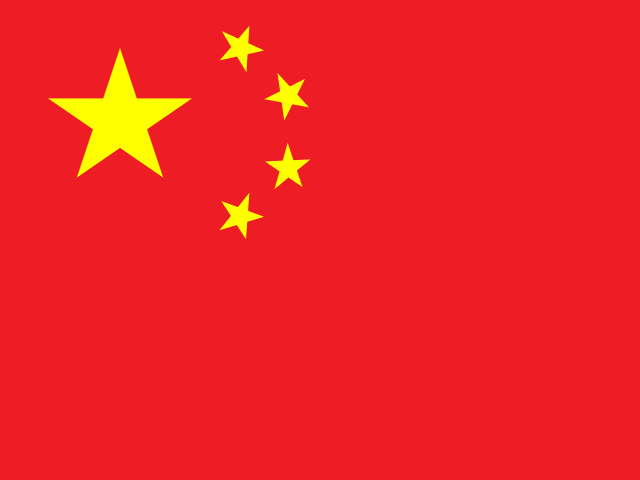
Some descriptions for this country are still Russian only: 84% translated. Numbers, prices and timelines are complete.
People's Republic of China: cities, climate & safety
updated 18.11.2026
Cities
Shanghai
tech hubThe country's largest city (21,909,814 people in the urban area, 2020 census), a financial centre, the world's largest container port, two international airports.
Typhoons from July to September, flooding during storm surges, decades of ground subsidence. Air pollution is lower than in the north but above European norms.
Beijing
tech hubThe capital (18,960,744 people in the urban area, 2020 census): the organs of government, the embassies, the headquarters of state companies and the leading universities.
Winter air pollution, spring sandstorms out of Inner Mongolia, chronic water shortage across the region.
Shenzhen
tech hubThe country's technology centre (17,444,609 people, 2020 census), grown from a village in forty years; it borders Hong Kong.
Typhoons from July to September. Humid subtropical heat for most of the year.
Guangzhou
tech hubThe trade and industrial centre of the south (16,096,724 people, 2020 census), host of the Canton Fair and the largest transport hub of the Pearl River Delta.
Typhoons and flash flooding. Humid heat from April to October.
Chengdu
tech hubThe centre of the country's west (13,568,357 people, 2020 census), a growing tech cluster and regional hub; known for its cuisine and its giant panda reserve.
The Sichuan seismic zone: the 2008 Wenchuan earthquake (M7.9) struck around 80 km from the city. Smog in the basin, and few sunny days.
Climate
Safety
Travel services: People's Republic of China
Ad · Aviasales, GetRentacar, AiraloCompare flight prices across airlines and travel agencies.
Local rental companies and private owners, no-deposit options.
Digital travel eSIM plans without roaming fees or physical SIM cards.