Tanzania or Uganda
Two countries side by side across the same rows as the full comparison. A dash means the value is missing: fields are not filled with guesses. about the data
| Tanzania | Uganda | |
|---|---|---|
| Salary in IT | — | — |
| Citizenship | 8 years | 10 years |
| Partner can work | no | no |
| Parents | — | — |
| Pets | no trouble | difficult |
| Pet limit | no limit | no limit |
| Quarantine | — | 30 days |
| Residence permit fee | — | — |
| Rent, 2 bedrooms | $ 704 · estimate | $ 591 · estimate |
| Basket | $ 23,0 | $ 19,7 |
| Life expectancy | 67.21 | 68.49 |
| Homicides/100k | 3.3 | 8.82 |
| Natural hazards, 0–10 | 4.1 | 3.8 |
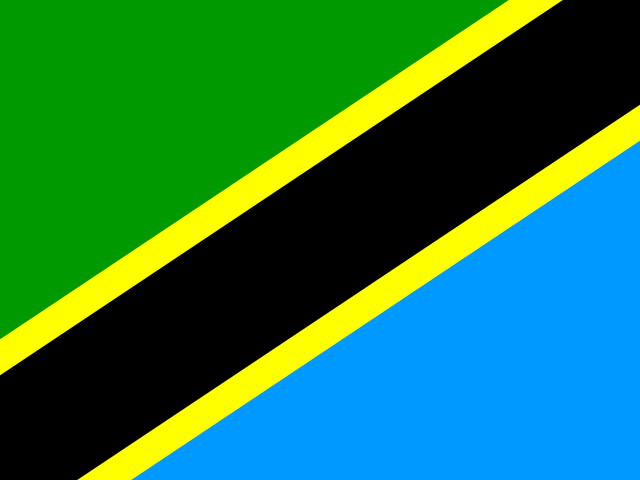
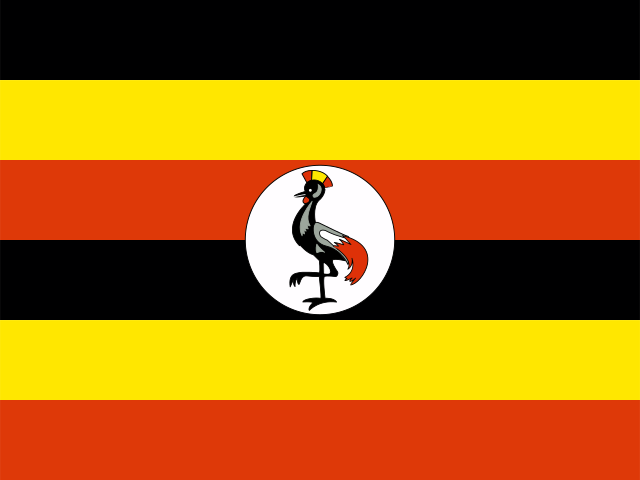
How the two sets of routes differ
Long-stay routes in this reference: Tanzania — 28, Uganda — 19. Types present in both: work, study, family, investment and talent. Tanzania adds: retirement. Uganda adds: repatriation.
Fees, thresholds and deadlines
Tanzania: fees range from 100 to 3,000 USD. Routes with no fee: 2. Routes stating an income threshold: 1; the lowest is 100,000 USD a month. Routes with a published decision deadline: 24; the shortest is 5 days. Uganda: fees range from 100 to 3,000 USD. Routes stating an income threshold: 1; the lowest is 36,000 USD a year.
Beyond the first permit
Permanent status: Uganda after 10 years; the other country publishes no term. Citizenship: Tanzania after 8 years, Uganda after 10 years. Uganda allows a second citizenship, Tanzania does not.
Tanzania in brief
Tanzania splits the right to reside in the country and the right to work between two authorities: the Immigration Service issues residence permits in three classes (A — investors and the self-employed, B — employees under a specific job offer, C — other grounds) under the Immigration Act, 1995, while the Labour Commissioner under the ministry responsible for employment issues a separate work permit in one of five classes (A–E, for investors, holders of in-demand professions, other professions, religious/charitable activity, and refugees) under the Non-Citizens (Employment Regulation) Act, 2015; legal paid employment requires both documents at once. Residence permits are capped by default at five years total (three years plus a renewal of up to two), and no separate permanent-residence status has been established between this term and citizenship — the only exception found covers a narrow category of major investors after 10 years of residence. Naturalisation requires practically 8 years of residence (the year immediately before filing plus at least 7 of the preceding 10 years), knowledge of Swahili or English, and renunciation of prior citizenship: dual citizenship is not permitted by law. Zanzibar is an autonomous part of the Union Republic: the law explicitly provides for additional entry and residence rules there, set with the consent of the President of Zanzibar, separate from the mainland's. The guide's five cities reflect both the largest population centres (Dar es Salaam — the country's commercial and technology centre, Mwanza — the second-largest city on Lake Victoria), the official capital, Dodoma, and two key inbound tourism destinations — Arusha (the gateway to the Serengeti and Kilimanjaro) and Zanzibar City with Stone Town, a UNESCO World Heritage Site.
Uganda in brief
Uganda is a landlocked East African country with one of the youngest population age structures in the world, which matters in practice for the labour market: most of it is younger than in most countries of the world. English is an official language of the country alongside Swahili. Permits to stay and work are issued as a single Entry Permit document under the Uganda Citizenship and Immigration Control Act, Cap. 313, with eight classes for different grounds — from civil service and investors in agriculture and mining to regulated professions, missionaries and people of independent means with no right to work; separately there are also the Special Pass, Student Pass, Dependant Pass and Certificate of Residence. The country belongs to the East African Community (EAC): per official data from the National Citizenship and Immigration Control, citizens of Kenya and Rwanda are exempt from Entry Permit fees, though they must still obtain it on the general terms, while citizens of Tanzania are subject to a separate full fee — the eased regime for EAC member states is not applied uniformly. The Certificate of Residence for long stay (10 years of continuous residence and a contribution to socio-economic development) grants permanent-residence status without losing one's own citizenship, while the same ten-year threshold leads to Ugandan citizenship under the separate Citizenship by Registration procedure; dual citizenship has been permitted since 21 August 2009. Importing dogs and cats requires an Import Permit and includes mandatory quarantine of 21–30 days. Malaria is endemic across the entire country. The guide's five cities are Kampala (the capital and largest business centre), Entebbe (the country's international airport and the shore of Lake Victoria), Gulu and Mbarara (the largest regional centres in the north and south-west), and Fort Portal (the gateway for inbound tourism to Kibale National Park and the Rwenzori Mountains).
Other comparisons
Tanzania or… Nigeria · Rwanda · Tunisia · Algeria · Kenya · South Africa · Angola · Gabon
Uganda or… Madagascar · Sierra Leone · Zambia · Eswatini · Lesotho · Mozambique · Republic of the Congo · Burundi
More on each: Tanzania · Uganda. Build your own comparison — up to four countries
This material is for reference and is not legal, tax or immigration advice. Visa rules, tax thresholds and prices change. Before deciding anything, check the official sources and consult a licensed professional in the relevant country.