Ghana or Tunisia
Two countries side by side across the same rows as the full comparison. A dash means the value is missing: fields are not filled with guesses. about the data
| Ghana | Tunisia | |
|---|---|---|
| Salary in IT | — | — |
| Citizenship | 5 years | — |
| Partner can work | — | — |
| Parents | — | — |
| Pets | difficult | no trouble |
| Pet limit | no limit | no limit |
| Quarantine | no | — |
| Residence permit fee | — | — |
| Rent, 2 bedrooms | $ 610 · estimate | $ 378 · estimate |
| Basket | $ 29,3 | $ 25,1 |
| Life expectancy | 65.69 | 76.71 |
| Homicides/100k | 1.83 | 4.69 |
| Natural hazards, 0–10 | 3.3 | 4.4 |
How the two sets of routes differ
Long-stay routes in this reference: Ghana — 16, Tunisia — 33. Types present in both: work, study, family and investment. Ghana adds: repatriation. Tunisia adds: talent and retirement.
Fees, thresholds and deadlines
Ghana: fees range from 40 to 18,000 USD. Tunisia: not a single route publishes its fee. Routes with a published decision deadline: 12; the shortest is 30 days.
Beyond the first permit
Permanent status: Tunisia after 5 years; the other country publishes no term. Citizenship: Ghana after 5 years; the other country publishes no term.
Ghana in brief
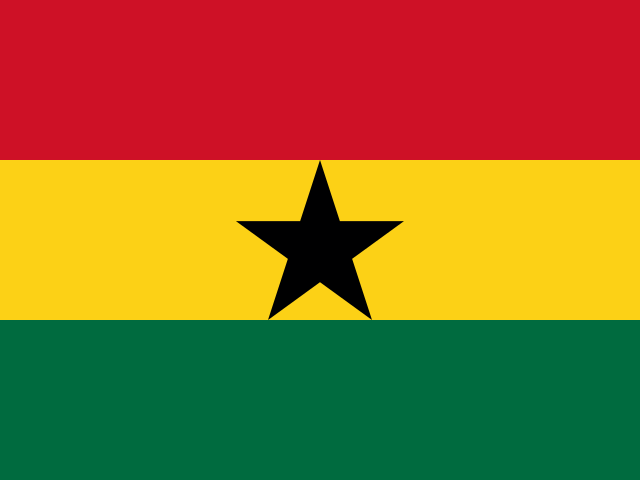
Ghana is a West African country with English-language law based on the Immigration Act, 2000 (Act 573) and the Citizenship Act, 2000 (Act 591), which has allowed dual citizenship since 2000. Work immigration is structured through the Ghana Immigration Service's 'Work and Residence Permit' combination and, for investors, an automatic GIPC/GIPA immigrant quota sized to the company's paid-up capital. A distinctive feature of the country is two official channels for the diaspora of African descent: the Right of Abode permanent-residence status and a state citizenship programme launched in 2016 and continued by the Year of Return 2019 campaign. Importing dogs and cats does not require quarantine, but does require laboratory confirmation of the absence of several infections and current vaccination. Of the country's five largest districts by the 2021 census, one — Cape Coast — is also a UNESCO World Heritage Site tied to the history of the transatlantic slave trade.
Tunisia in brief
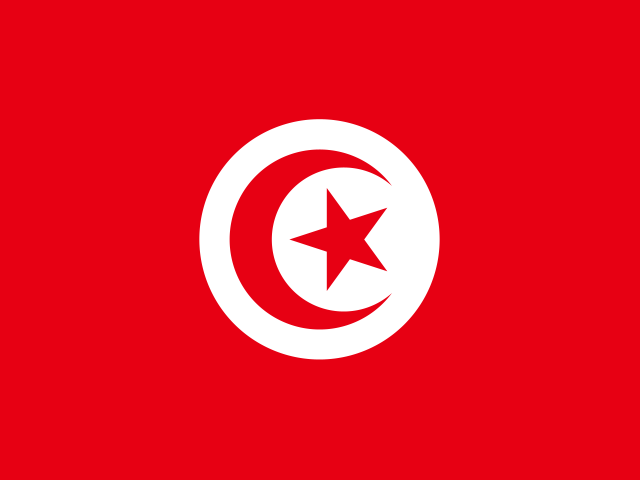
Tunisia is a North African republic on the Mediterranean coast with a relatively low cost of living and a small share of foreigners in its population: the 2024 census puts them at 0.55% (66,349 of 11,972,169 people, INS). The five cities described show different sides of the country: Tunis, the capital and business centre with a UNESCO-listed medina and the ruins of Carthage inside its metropolitan area; Sfax, the second-largest city and the industrial port of the south; Sousse, the resort centre of the Sahel whose medina and ribat were inscribed on the UNESCO World Heritage list in 1988; Hammamet, one of the country's oldest beach resorts on the Cap Bon peninsula; and Bizerte, a historic northern port beside the northernmost point of the African continent. Foreign workers face a branched system of work authorisations with several expressly described categories, including a simplified regime for companies covered by the 2016 investment law. Residence splits into temporary and ordinary: the temporary card is issued for no more than a year, while the ordinary one goes to a foreigner who has lived in the country for five uninterrupted years, to a foreign woman married to a Tunisian, to a foreigner with Tunisian children or one born in Tunisia, and it is valid for two years and renewable; Tunisian law knows no open-ended status. The right to ordinary residence is lost after an absence of more than six months without a return visa. The period to citizenship and the decision period for family applications remain unconfirmed: the nationality code could not be read in the primary source, and neither the law on the status of foreigners nor its implementing decree sets any decision periods. World Bank indices for political stability, control of corruption, rule of law and government effectiveness were all below zero in 2024 on the −2.5 to +2.5 scale, and youth unemployment exceeds 38%.
Other comparisons
Ghana or… Nigeria · Rwanda · Algeria · Tanzania · Kenya · South Africa · Angola · Gabon
Tunisia or… Madagascar · Sierra Leone · Uganda · Zambia · Eswatini · Lesotho · Mozambique · Republic of the Congo
More on each: Ghana · Tunisia. Build your own comparison — up to four countries
This material is for reference and is not legal, tax or immigration advice. Visa rules, tax thresholds and prices change. Before deciding anything, check the official sources and consult a licensed professional in the relevant country.