Algeria or Eswatini
Two countries side by side across the same rows as the full comparison. A dash means the value is missing: fields are not filled with guesses. about the data
| Algeria | Eswatini | |
|---|---|---|
| Salary in IT | — | — |
| Citizenship | 7 years | — |
| Partner can work | — | no |
| Parents | — | — |
| Pets | no trouble | — |
| Pet limit | no limit | no limit |
| Quarantine | no | — |
| Residence permit fee | — | — |
| Rent, 2 bedrooms | $ 202 · estimate | $ 330 · estimate |
| Basket | $ 21,4 | $ 21,1 |
| Life expectancy | 76.47 | 64.26 |
| Homicides/100k | 1.38 | 13.68 |
| Natural hazards, 0–10 | 3.4 | 1.8 |
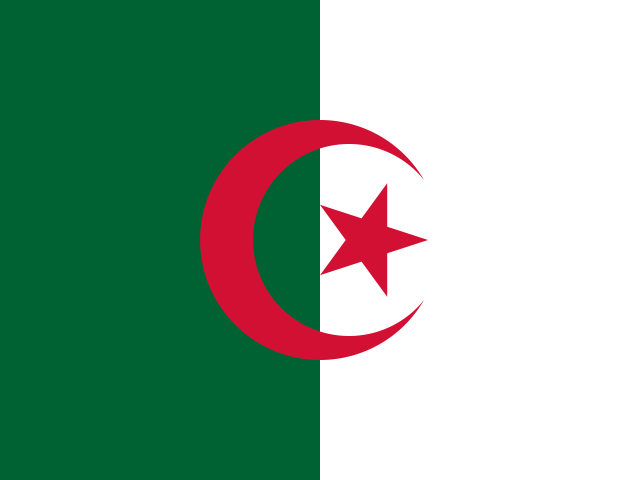

How the two sets of routes differ
Long-stay routes in this reference: Algeria — 28, Eswatini — 18. Types present in both: work, study and family. Eswatini adds: investment and retirement.
Fees, thresholds and deadlines
Algeria: fees range from 1,000 to 70,000 DZD. Routes with a published decision deadline: 3; the shortest is 2 days. Eswatini: fees range from 600 to 6,000 SZL. Routes stating an income threshold: 1; the lowest is 5,000 SZL a year.
Beyond the first permit
Permanent status: Algeria after 7 years, Eswatini after 10 years. Citizenship: Algeria after 7 years; the other country publishes no term.
Algeria in brief
Algeria combines high seismicity and very high youth unemployment with cheap transport and fuel. On the World Bank scale from −2.5 to +2.5, political stability stands at −0.69, rule of law at −0.70, control of corruption at −0.59 and government effectiveness at −0.25 — governance scores noticeably better than most of the region. Life expectancy is 76.47 years, health spending 233.38 dollars per person per year, basic access to water reaches 92.42 per cent of the population, and mean PM2.5 concentration is 16.54 micrograms per cubic metre. Homicides at 1.38 per 100,000 are among the lowest figures in this set; road deaths run at 18.3. Unemployment is 11.63 per cent and among young people 29.44 — that is the defining feature of the labour market. Overall natural risk is 3.4 out of 10 on INFORM, and it is almost entirely seismic: earthquakes 7.9, floods 3.6, droughts 3.4, against coastal risks at 0.7, tsunami at 1.4 and no cyclones at all. Transport and fuel are cheap even by regional standards: a monthly pass costs 8.15 dollars and a litre of fuel 0.32. The immigration framework is published in full by Law No. 08-11 of 25 June 2008 in the official gazette, and it rests on a separation of three rights. Entry is granted by the consular visa: it is valid for up to two years, but the stay permitted on each entry is no more than 90 days. Residence is permitted by the resident card issued by the wilaya of residence, ordinarily for two years; after seven years of continuous lawful residence a ten-year card may be issued, and the same card goes to the resident's children over 18 living with them. Work is permitted by a separate document: a resident card is not issued to a salaried worker at all without a work permit, a temporary work authorisation or a declaration of employment, and the card cannot outlast that document. A thread running through the law is the principle of reciprocity: it is stipulated for consular fees, for appealing a refusal and for the age threshold alike. What this data does not contain, and why: the law expressly delegates to secondary legislation the procedure for issuing visas, the procedure for issuing the resident card and the conditions for family reunification — so no processing targets and no family timeline are to be found in it. City populations are not given: no official source separating city from wilaya could be found.
Eswatini in brief
Eswatini runs to extremes in both directions. **Unemployment at 34.2 percent is the highest in this guide**, youth unemployment at 54.33 is third highest, and the Gini coefficient of 54.6 is the third highest figure — though it dates from 2016 and is flagged as stale. And at the same time **natural threats here are almost absent**: overall hazard is 1.8 out of 10 on INFORM, the seventh lowest among 168 countries — there is no sea, so no coastal hazard and no tsunami at all, earthquakes are 0.1, flooding 1.8, cyclones 0.2, and only drought at 4.7 is appreciable. Life expectancy is 64.26 years, health spending 296.05 dollars per person per year, water access reaches 80.37 percent of the population, and PM2.5 stands at 16.75 micrograms per cubic metre. Homicides run at 13.68 per 100,000 and road deaths at 24.7. On the World Bank scale, control of corruption is −0.79, rule of law −0.86, government effectiveness −0.78 and political stability −0.73 — appreciably better than most of its neighbours in this part of the guide. A one-bedroom in Manzini rents for 134 euros a month, among the lowest in this guide. The immigration framework is described by three Ministry of Home Affairs documents, and the ministry publishes all three itself: the Act of 1982, the Regulations of 1987 and the service charter. The Act sets ten classes of entry permit, A to J, and nine of the "useful" classes carry the condition "of benefit to the country" written into their very definition. The employer must confirm that the vacancy was advertised at full page, and during the assessment the localization department checks that the skill is not available inside the country. The charter prints the standard step by step: up to thirty minutes to lodge the documents, up to three days for vetting by the police and the localization department, one day for the committee, one day to issue the outcome — about five days for a temporary permit. For a visa: five minutes to receive it, two days for police vetting, one day for approval. Settlement is class J, and the road to it is unusual: ten years of continuous residence AND a completed "Khonta" under Swazi customary law — the act of pledging allegiance to a chief — AND proof that the person applied for citizenship and was not refused. A class J holder, like the class I person of independent means, loses the permit on taking up any employment, paid or unpaid. Family runs through the dependant's pass, which a citizen of the country may also request; the pass expires thirty days after the dependant takes up employment. What is not in this data: the processing time for a citizenship application — the charter states outright that the Citizenship Board determines it after going through each application. The procedure for bringing in cats and dogs is described neither by a national source nor by other countries' veterinary authorities. City populations are not given: no official source separating the city from the region could be found.
Other comparisons
Algeria or… Nigeria · Rwanda · Tunisia · Tanzania · Kenya · South Africa · Angola · Gabon
Eswatini or… Madagascar · Sierra Leone · Uganda · Zambia · Lesotho · Mozambique · Republic of the Congo · Burundi
More on each: Algeria · Eswatini. Build your own comparison — up to four countries
This material is for reference and is not legal, tax or immigration advice. Visa rules, tax thresholds and prices change. Before deciding anything, check the official sources and consult a licensed professional in the relevant country.