Japan or South Korea
Two countries side by side across the same rows as the full comparison. A dash means the value is missing: fields are not filled with guesses. about the data
| Japan | South Korea | |
|---|---|---|
| Salary in IT | $ 23 629 | $ 59 346 |
| Citizenship | 5 years | 5 years |
| Partner can work | — | no |
| Parents | no | difficult |
| Pets | difficult | difficult |
| Pet limit | no limit | 5 |
| Quarantine | 180 days | 10 days |
| Residence permit fee | — | — |
| Rent, 2 bedrooms | $ 1 551 · estimate | $ 965 · estimate |
| Basket | $ 34,9 | $ 40,9 |
| Life expectancy | 84.04 | 83.63 |
| Homicides/100k | 0.23 | 0.49 |
| Natural hazards, 0–10 | 8.3 | 6 |
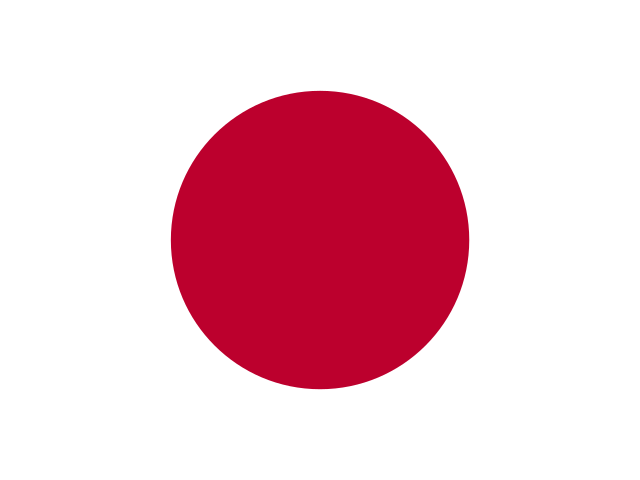
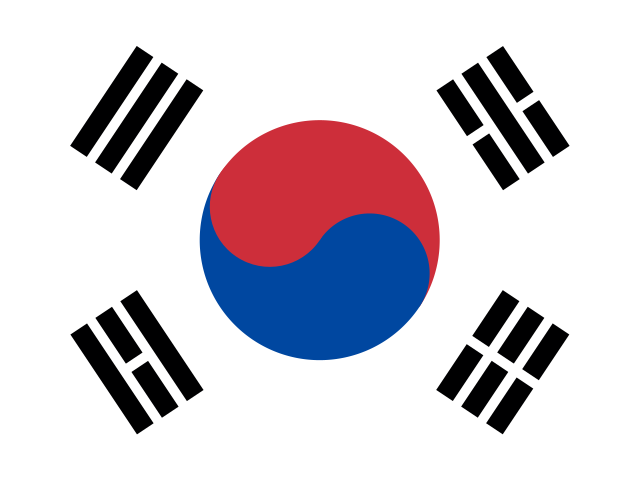
How the two sets of routes differ
Long-stay routes in this reference: Japan — 88, South Korea — 91. Types present in both: work, study, family, investment, startup, talent, repatriation, job seeking and working holiday. Japan adds: remote work and retirement.
Fees, thresholds and deadlines
Japan: fees range from 6,000 to 10,000 JPY. Routes with no fee: 72. Routes with a published decision deadline: 87; the shortest is 14 days. South Korea: fees range from 60 to 90 USD. Routes stating an income threshold: 1; the lowest is 1,500,000,000 KRW a month.
Beyond the first permit
Permanent status: Japan after 10 years, South Korea after 5 years. Citizenship: both after 5 years. Neither recognises a second citizenship. Bringing your own parents: South Korea — yes, Japan — no.
Japan in brief
Japan combines low crime, good healthcare and a fast route to permanent residence through the Highly Skilled Professional points system with high natural hazards (earthquakes, tsunamis, typhoons, volcanoes), a ban on dual citizenship and practically no route for parent reunification outside a narrow HSP exception.
South Korea in brief
South Korea combines a developed technology economy and low violent crime with a formal points system for long-term residence (E-7 → F-2-7 → F-5) and substantial restrictions on dual citizenship and on a spouse working. Parents, your own or a partner's, can only get the temporary renewable F-1-15 visa with no right to work. Natural hazards are moderate — seasonal typhoons and monsoon floods, earthquakes rare; the notable problem is air quality, the worst among OECD countries.
Other comparisons
Japan or… Taiwan · Thailand · Kazakhstan · Lebanon · Uzbekistan · Malaysia · Azerbaijan · Philippines
South Korea or… Bangladesh · Kuwait · Iraq · Mongolia · Oman · People's Republic of China · Sri Lanka · Singapore
More on each: Japan · South Korea. Build your own comparison — up to four countries
This material is for reference and is not legal, tax or immigration advice. Visa rules, tax thresholds and prices change. Before deciding anything, check the official sources and consult a licensed professional in the relevant country.