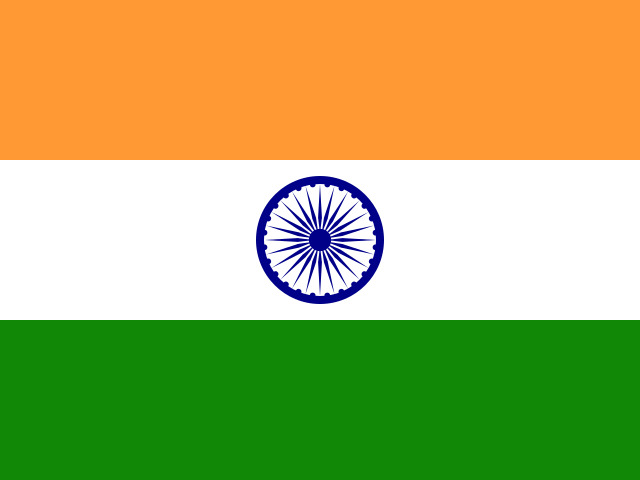
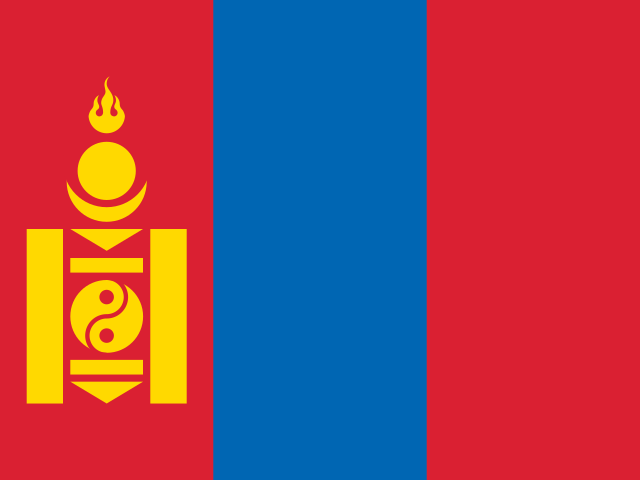
India or Mongolia
Two countries side by side across the same rows as the full comparison. A dash means the value is missing: fields are not filled with guesses. about the data
| India | Mongolia | |
|---|---|---|
| Salary in IT | — | — |
| Citizenship | 12 years | 5 years |
| Partner can work | — | — |
| Parents | — | — |
| Pets | no trouble | no trouble |
| Pet limit | 2 | no limit |
| Quarantine | no | — |
| Residence permit fee | — | — |
| Rent, 2 bedrooms | $ 755 · estimate | $ 686 · estimate |
| Basket | $ 14,2 | $ 28,1 |
| Life expectancy | 72.23 | 72.4 |
| Homicides/100k | 2.72 | 5.64 |
| Natural hazards, 0–10 | 7.8 | 3.3 |
How the two sets of routes differ
Long-stay routes in this reference: India — 17, Mongolia — 28. Types present in both: work, study, family, investment and repatriation. Mongolia adds: talent.
Fees, thresholds and deadlines
India: the fee is 100 INR wherever it is published. Routes with a published decision deadline: 1; the shortest is 30 days. Mongolia: fees range from 45,000 to 135,000 MNT. Routes with a published decision deadline: 28; the shortest is 3 days.
Beyond the first permit
Permanent status: India with no residence period; the other country publishes no term. Citizenship: India after 12 years, Mongolia after 5 years. Neither recognises a second citizenship.
India in brief
India is the world's second-most-populous labour market, with high demand for skilled IT and engineering professionals and a globally low cost of living: rent and utility payments are several times lower than in Europe, even in the largest cities. The work visa is rigidly tied to the employer — it cannot be changed without leaving the country — and is issued only for an annual salary above 1,625,000 rupees, except for a few exempt categories. There is no general mechanism for permanent residence by length of stay: status is renewed through annual work visas via the FRRO, and Permanent Residency Status (PRS) is granted only to foreign investors who invest at least 10 crore rupees. Naturalisation requires about 12 years of residence in the country, and dual citizenship is not allowed. The northern plain suffers from smog in winter, while the coastal and mountain regions suffer from monsoon flooding and earthquakes. The country's five largest cities differ sharply in character: from the financial capital Mumbai and the technology cluster Bangalore to the UNESCO World Heritage sites in Jaipur and Agra.
Mongolia in brief
Mongolia is a landlocked country between Russia and China with an extremely uneven distribution of population: almost half the population is concentrated in Ulaanbaatar, while the other major cities (Erdenet, Darkhan) are an order of magnitude smaller. Dual citizenship is not permitted: naturalisation requires at least five years of permanent residence, knowledge of the Mongolian language, and renunciation of prior citizenship. The work-visa system is broken down in detail by sector of the economy (construction, science and IT, mining, finance, agriculture, and others); employing foreigners under the work and investor categories is subject to a separate monthly workplace fee. A sharply continental climate produces winter temperatures below -17°C and summer temperatures above +20°C on a monthly average. In winter, Ulaanbaatar ranks among the cities with the dirtiest air in the world: the average annual PM2.5 level stands at 42.7 µg/m³ — almost nine times the WHO guideline — because of coal heating in the ger districts.
Other comparisons
India or… Taiwan · South Korea · Japan · Thailand · Kazakhstan · Lebanon · Uzbekistan · Malaysia
Mongolia or… Azerbaijan · Philippines · Bangladesh · Kuwait · Iraq · Oman · People's Republic of China · Sri Lanka
More on each: India · Mongolia. Build your own comparison — up to four countries
This material is for reference and is not legal, tax or immigration advice. Visa rules, tax thresholds and prices change. Before deciding anything, check the official sources and consult a licensed professional in the relevant country.